Section control
Adjust individual IR sections and digital temperature settings for the required drying profile.
Dry the ink. Prepare for the next pass.
IR drying with automatic hood opening, heat recycling and cooling.
The APL IR Oven is designed for drying ceramic and solvent-based inks on glass. It combines IR heating with hot-air circulation, independently controlled heating sections and adjustable conveyor speed to establish the drying process.
APL describes cooling arrangements for subsequent printing passes and handling, including refrigerated cooling and an air-handling-unit option. Conveyor length, heat settings and cooling capacity should be matched to the glass, ink and production sequence. The system can be discussed as part of a complete glass-printing line.
Explore the capabilities that shape this machine’s role on your production floor.
Adjust individual IR sections and digital temperature settings for the required drying profile.
Set material movement through the oven to suit the drying process.
The published arrangement includes an insulated heating chamber and recirculating air.
Review blower, refrigerated cooling and air-handling arrangements for downstream handling.
| Configuration detail | Published product profile |
|---|---|
| Heating | IR & circulating hot air |
| Controls | Section temperature & speed |
| Application | Printed glass |
Published output figures refer to reference configurations. Actual results depend on material, artwork, process settings and selected options.
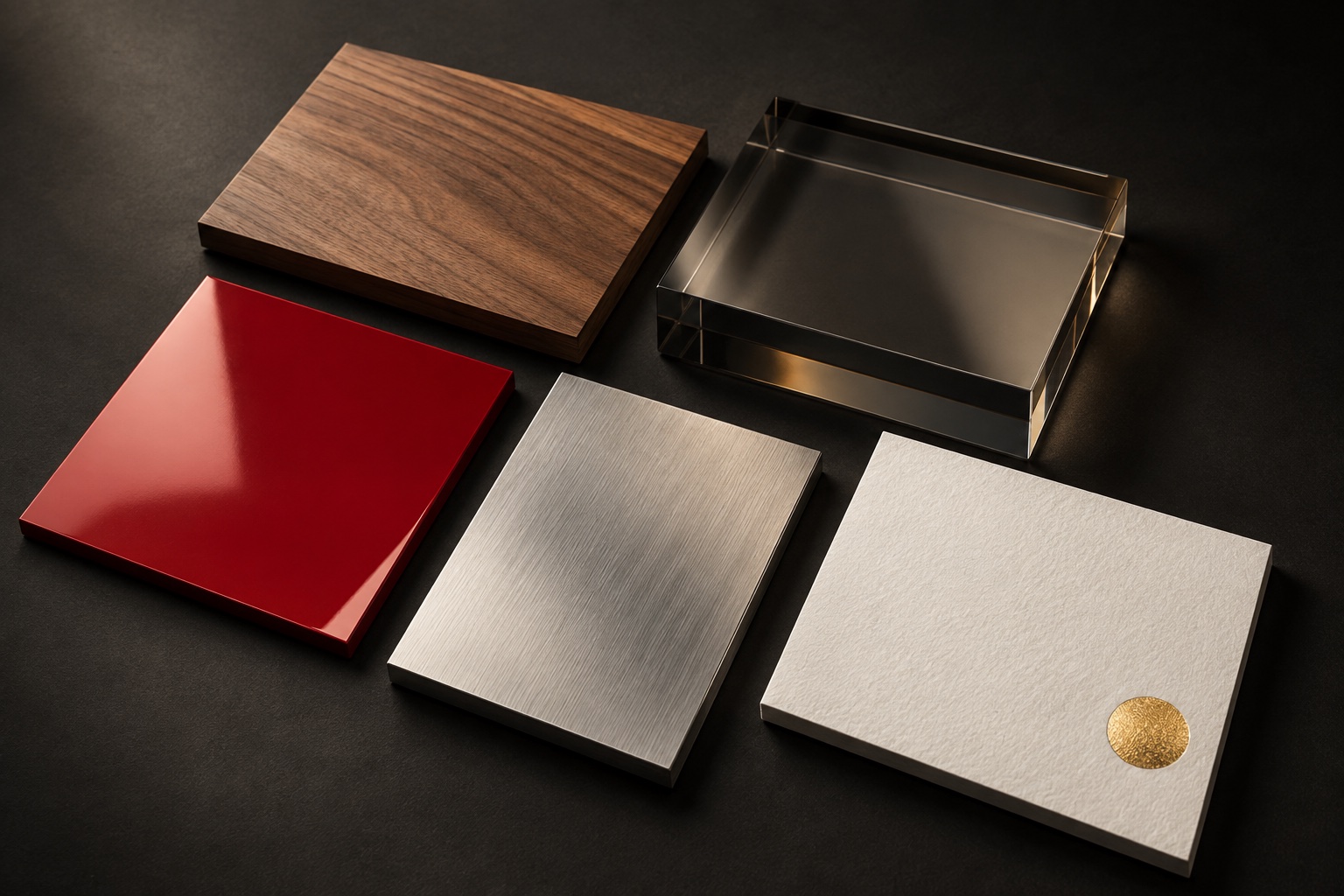 THE MATERIAL IS THE STARTING POINT
Material study shown for illustration. Discuss the actual substrate and intended finish with APL.
Bring these details to your first conversation with the APL team.
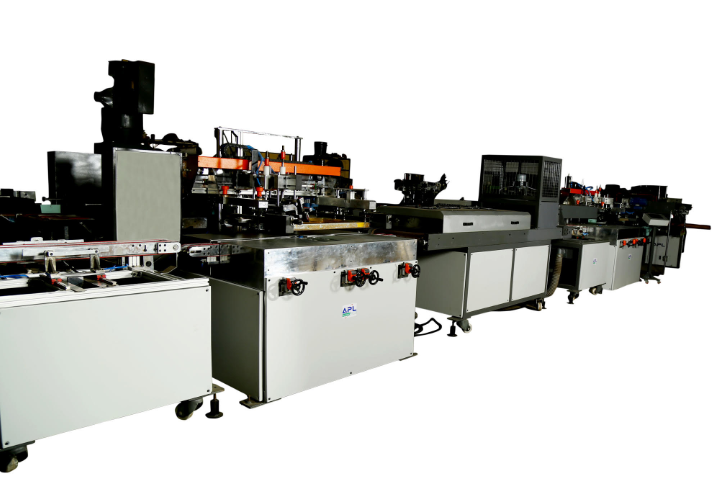
Automatic screen printing with pre-centering and in-machine positioning for automotive and architectural glass.
Explore machine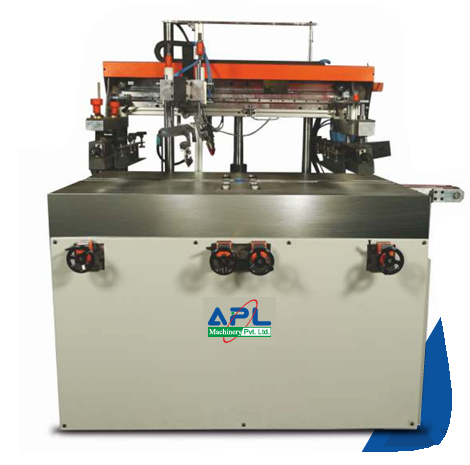
Semi automatic screen printing with automatic glass centering.
Explore machine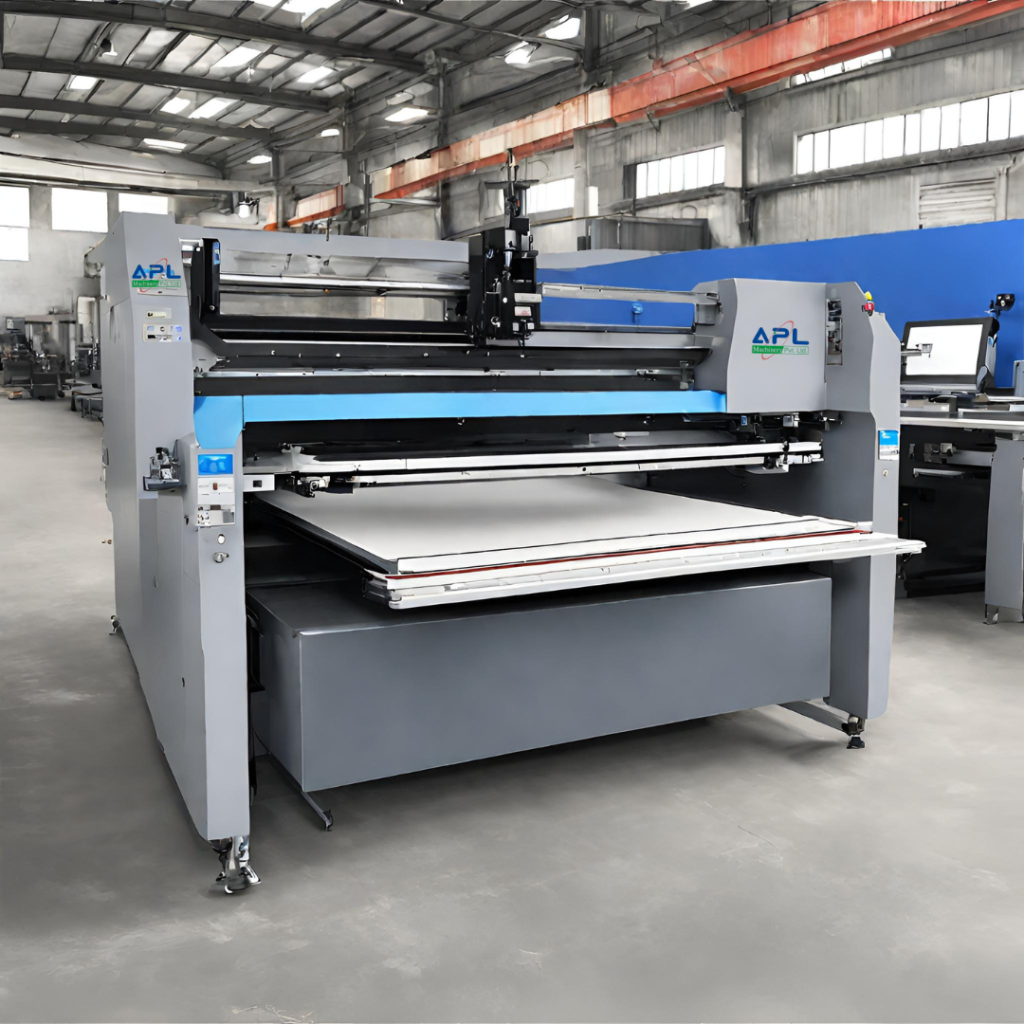
Four pillar automatic screen printing with pre-centering and inbuilt positioning.
Explore machine